Keratin Hair Transformation
Share
Keratin hair treatment has become a game-changer for anyone dealing with frizz, damage, or difficult-to-manage hair. Whether you're battling humidity, heat damage, or just naturally curly locks, understanding how keratin works can help you decide if this treatment is right for you.
What Is Keratin?
Keratin is a natural protein found in your hair, skin, and nails. Over time, factors like heat styling, chemical treatments, pollution, and sun exposure break down this protein, leaving your hair weak, frizzy, and prone to breakage. Keratin hair treatments work by infusing this protein back into your hair shaft, restoring strength and smoothness from within.
How Does Keratin Treatment Work?
During a keratin treatment, a specially formulated product is applied to clean hair and then sealed in using heat. The heat opens up the hair cuticle, allowing the keratin to penetrate deeply. Once the cuticle closes, the protein bonds with your hair structure, creating a protective coating that smooths the surface and locks in moisture.
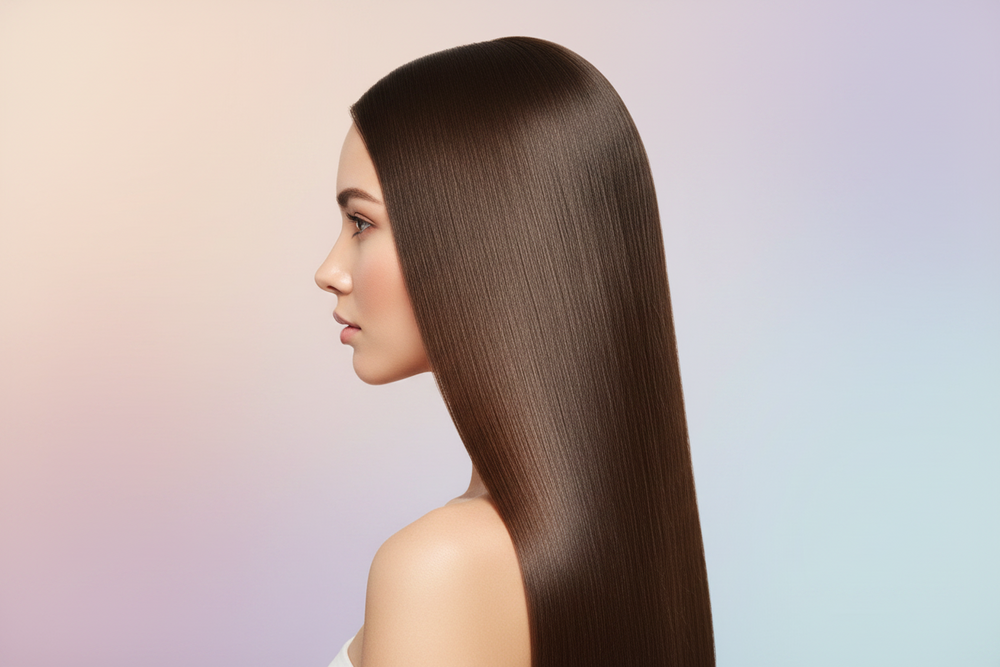
The result? Shinier, smoother hair that's easier to style and more resistant to environmental damage. Most treatments last between 3 to 6 months, depending on the formula and how well you care for your hair afterward.
Benefits of Keratin Treatment
- Reduces frizz — Keratin seals the hair cuticle, minimizing the moisture absorption that causes frizz
- Adds shine — Smoother hair naturally reflects light better, giving you that glossy finish
- Strengthens hair — Restores protein to damaged strands, reducing breakage and split ends
- Improves manageability — Easier to blow-dry, straighten, and style with less effort
- Protects from damage — Creates a barrier against heat, UV rays, and pollution
Types of Keratin Treatments
Salon Treatments: Professional keratin treatments are typically stronger and longer-lasting. A stylist applies the product and uses a flat iron to seal it in. These deliver more dramatic results but come with a higher price tag.
At-Home Treatments: Keratin masks, serums, and shampoo-conditioner sets are more affordable and convenient. While less intensive than salon treatments, they're excellent for maintenance and can be used between professional appointments.
Is Keratin Right for Your Hair?
Keratin treatment works best for damaged, frizzy, or curly hair. If you have fine or thin hair, consult with a stylist first — some keratin formulas can weigh down delicate strands. Those with naturally straight hair may not notice as dramatic a difference, though the strengthening and protective benefits still apply.
Aftercare Tips for Longer-Lasting Results
- Wait 48 to 72 hours before washing your hair after treatment to allow the keratin to fully bond
- Use sulfate-free shampoo and conditioner — sulfates strip away the keratin coating
- Minimize heat styling where possible; when you do style, always use heat protectant products
- Deep condition weekly to maintain moisture and extend treatment life
- Avoid chlorinated pools or rinse your hair immediately after swimming
- Sleep on a silk or satin pillowcase to reduce friction and frizz
Invest in Your Hair's Health
Whether you opt for a professional salon treatment or incorporate keratin-based products into your routine, this investment pays off in healthier, more beautiful hair. Start with what fits your budget and lifestyle, and adjust as you see what works best for your hair type. With proper care, your keratin treatment will keep your hair looking and feeling its best.